Occitanie
Vintage & Antique Hunters
3 days / 2 nights · up to 6 guests · from €990 per person
Duration
3 days / 2 nights
From
€990
All included
About the journey
Natacha has worked with vintage pieces and antiques for more than twenty years. Over three days, she shows you how to read an old object: how to distinguish an original from a later copy, notice hallmarks, patina and restoration, understand value and recognise the right moment to negotiate. You are not watching from the side. You search and choose for yourself, then take home a find whose story you already know how to tell. Begin a collection, or add something singular to one you already have.
This is neither a workshop nor a conventional guided tour. For a few days, you are our guests in an old mas in the South of France. We meet you at the airport, share the house, travel together to the places we visit ourselves and gather for dinner in the evening.
From
€990
01
The first evening
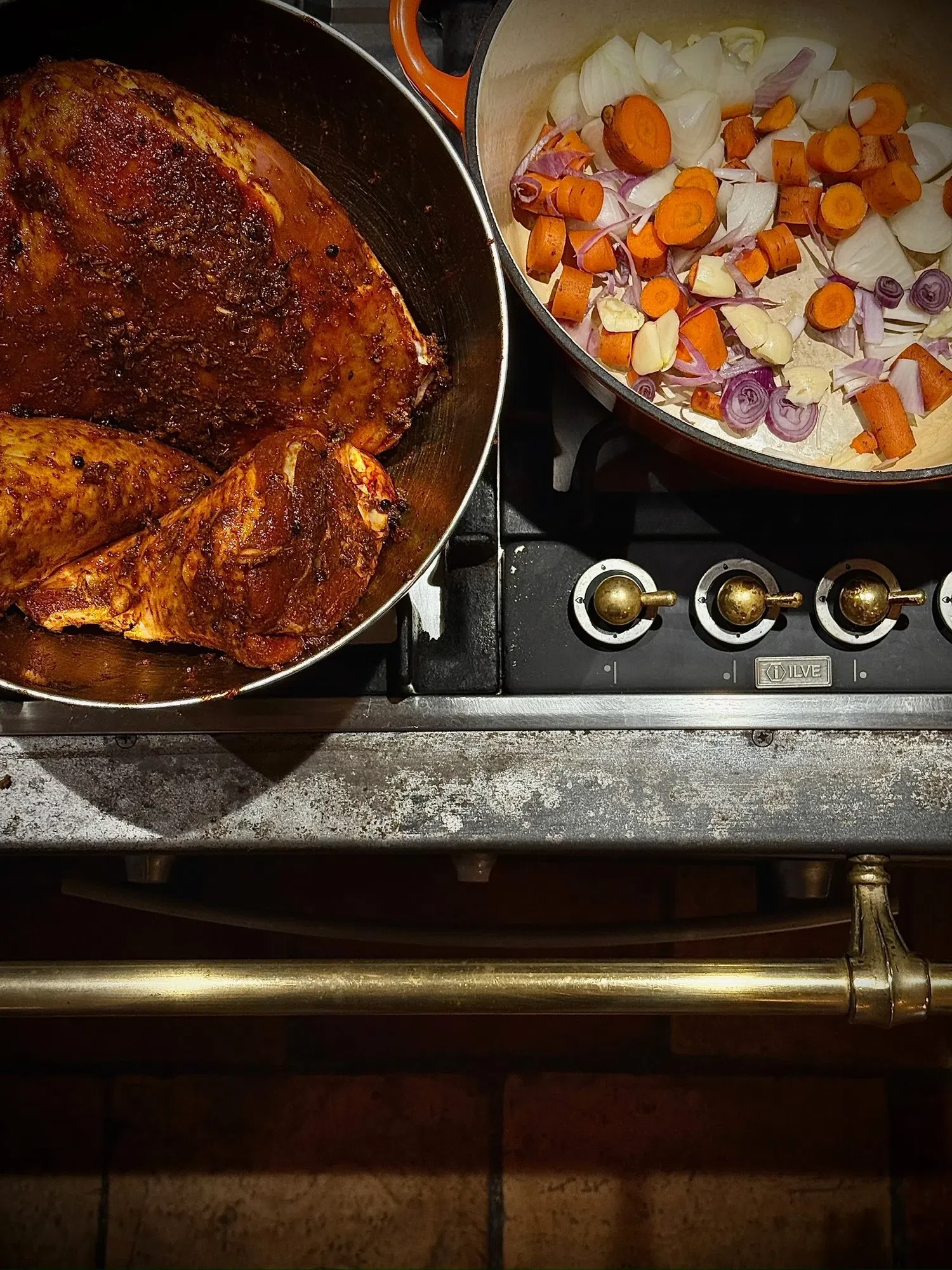
After meeting in Nîmes, Marseille or Montpellier, we head home. Nothing formal is planned for the first evening: there is time to settle in, exhale and get to know one another before apéro and our first dinner together, cooked by Slava with seasonal produce.
This is where the art de vivre begins. The house is filled with old objects and the stories behind them. Over dinner, we talk about what you love, what you are looking for and what you might like to take home. The next morning, we arrive at the brocante with an idea of what we are searching for, while leaving room for surprise.
 1 / 1
02
The art of the brocante
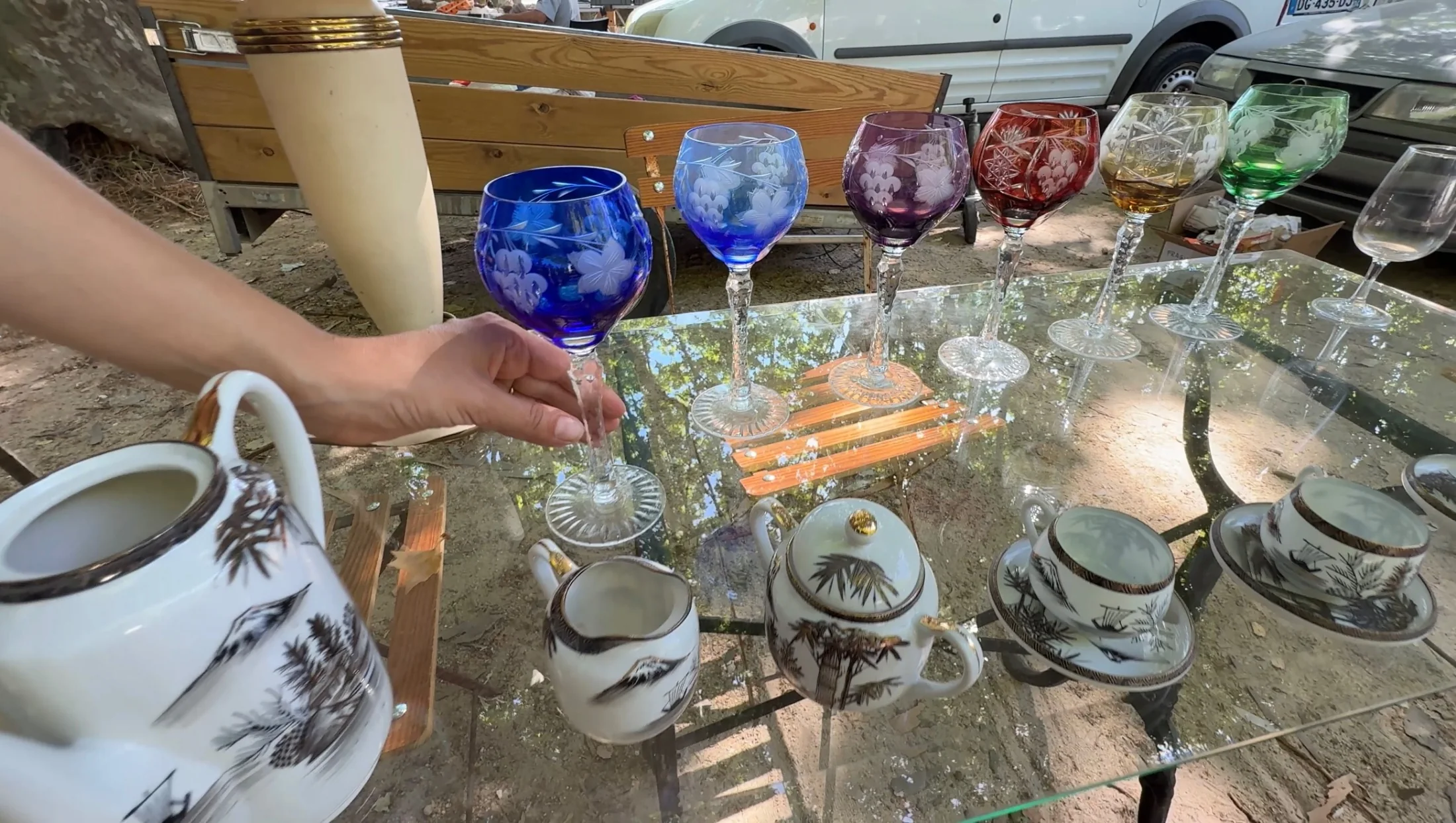
In the morning, we go where old things are still bought as part of everyday life, not simply as decoration, and where the whole ritual feels a little like stepping into a French film.
In an ancient Roman town, markets unfold beneath enormous plane trees. Natacha begins by training your eye: what can a hallmark reveal? When does wear add value, and when does it conceal a problem? Which restorations are acceptable? When is a price aimed at the casual buyer?
Before long, you begin to notice these details for yourself. Natacha is there whenever you want a second opinion, an appraisal or help negotiating. The aim is not to buy as much as possible, but to recognise the object you will genuinely want to live with.
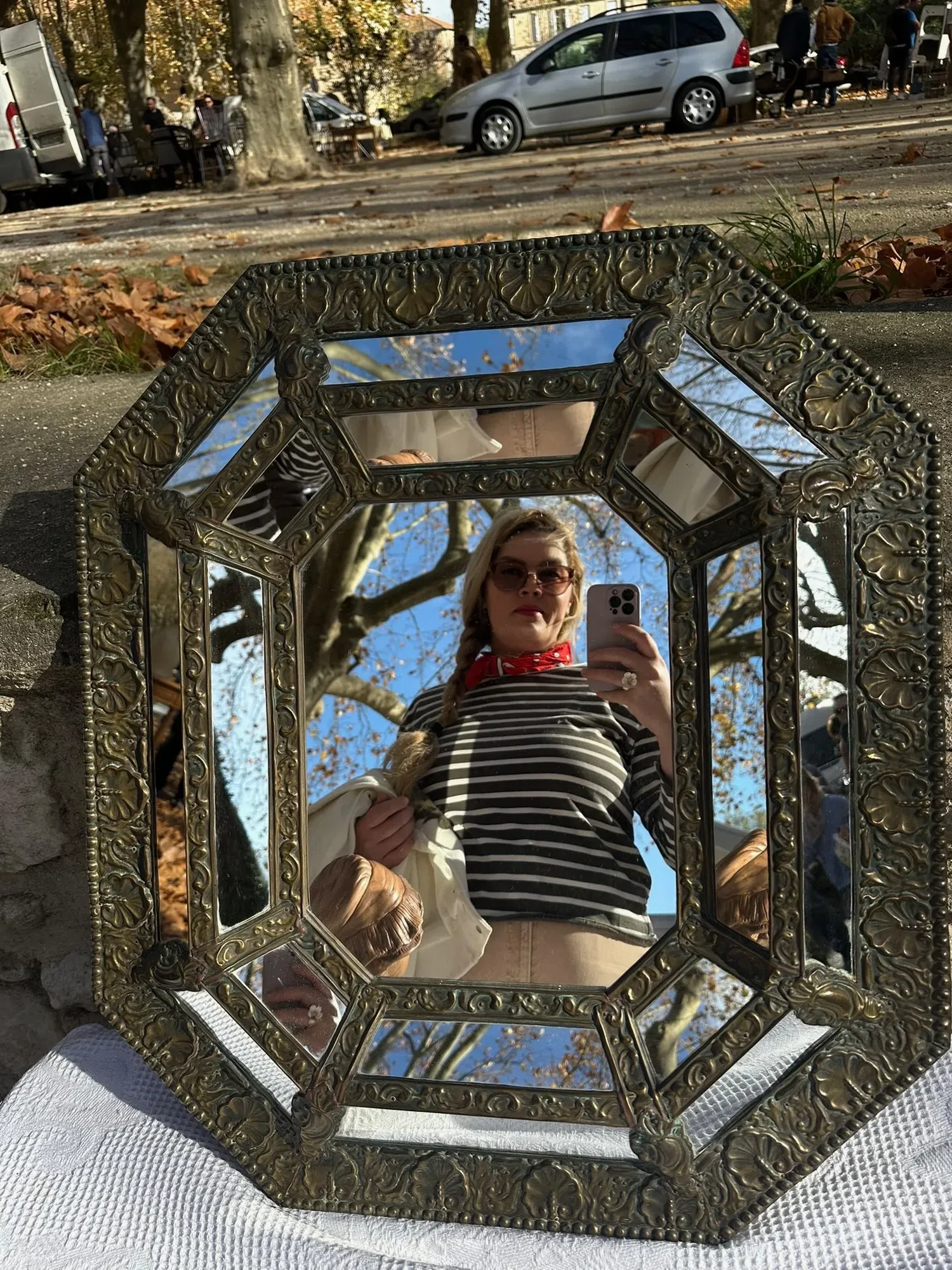
After the brocante, we join Slava at the food market. We lunch among the locals, choose ingredients and return home with two kinds of finds: those that will live in the house and those that will become dinner.
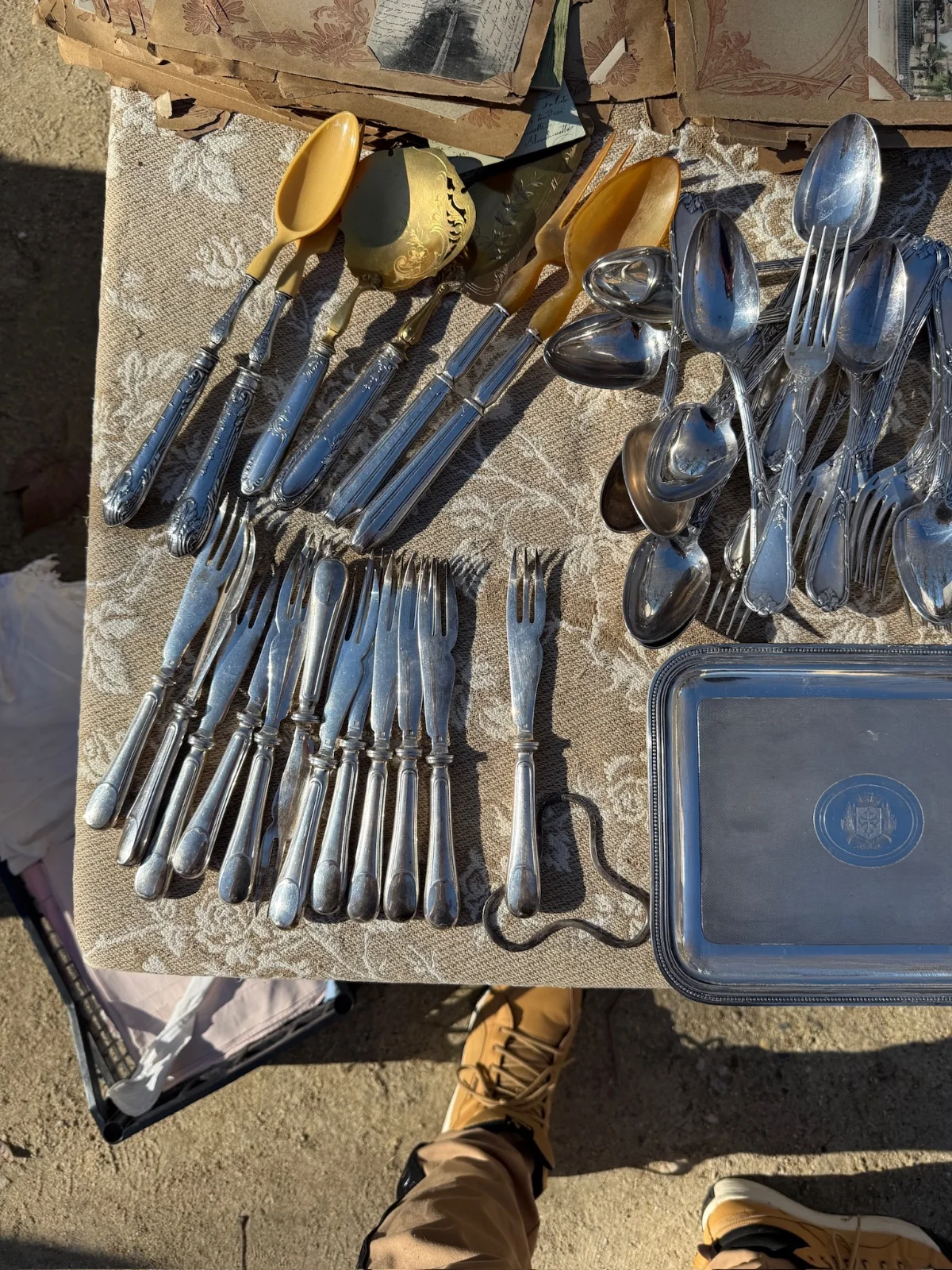
If the object allows it, we do a little restoration that evening: cleaning silver or metal, carefully returning its shine and discovering details that were easy to miss at the market.
 1 / 1
03
Wine and one last brocante
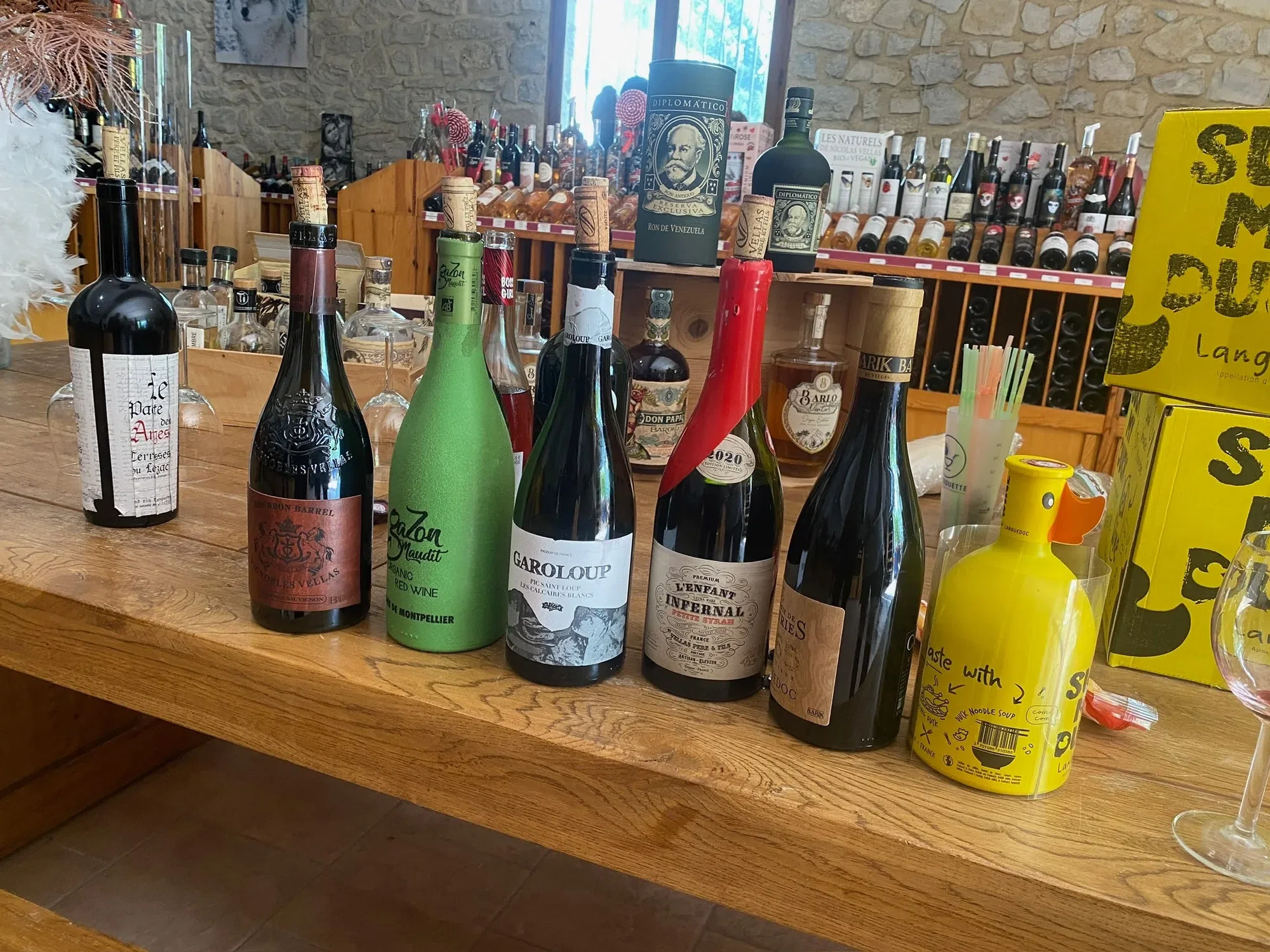
The next morning is spent at a family wine estate where locals gather at the weekend. Estate wines, food prepared by cooks from neighbouring villages, long tables and a perfectly ordinary Sunday in this part of France.
Then Montpellier. If the desire to keep searching is still there, we continue at the city's brocante. If not, we leave shopping behind and simply spend a few hours exploring.
The tour can be extended on request for any number of days. Fortunately, there is a different brocante somewhere nearby every day.
 1 / 1
04
What you take home
You return with inspiration, memories and perhaps the beginning of a collection: old silver we polish together and that you can use every day; a small vase that changes the mood of a room; a lamp that brings softer light to your interior; a painting that starts conversations; or one modest object that carries the memory of the journey.
The value of this journey is not measured by how much you buy. Afterwards, a French brocante no longer looks like beautiful chaos. You know what to notice, what to ask and why one old object has genuine character while another merely looks old.
The object you choose acquires something more important than a price tag: a story of its own.
The itinerary can be extended with extra days around your interests: more brocante, interiors, wineries, gastronomy, or simply a few quiet days in the South of France.
 1 / 1
What is included
All included- The price includes everything we organize during the journey: accommodation, the full programme, local travel and transfers, visits and tastings, all meals at home and in restaurants, as well as all drinks, including wine, champagne, sparkling wine, apéro, and other alcoholic and non-alcoholic beverages.
What remains yours
- Only travel to and from the meeting point is not included, along with your personal purchases and any expenses outside what we organize.
Our house
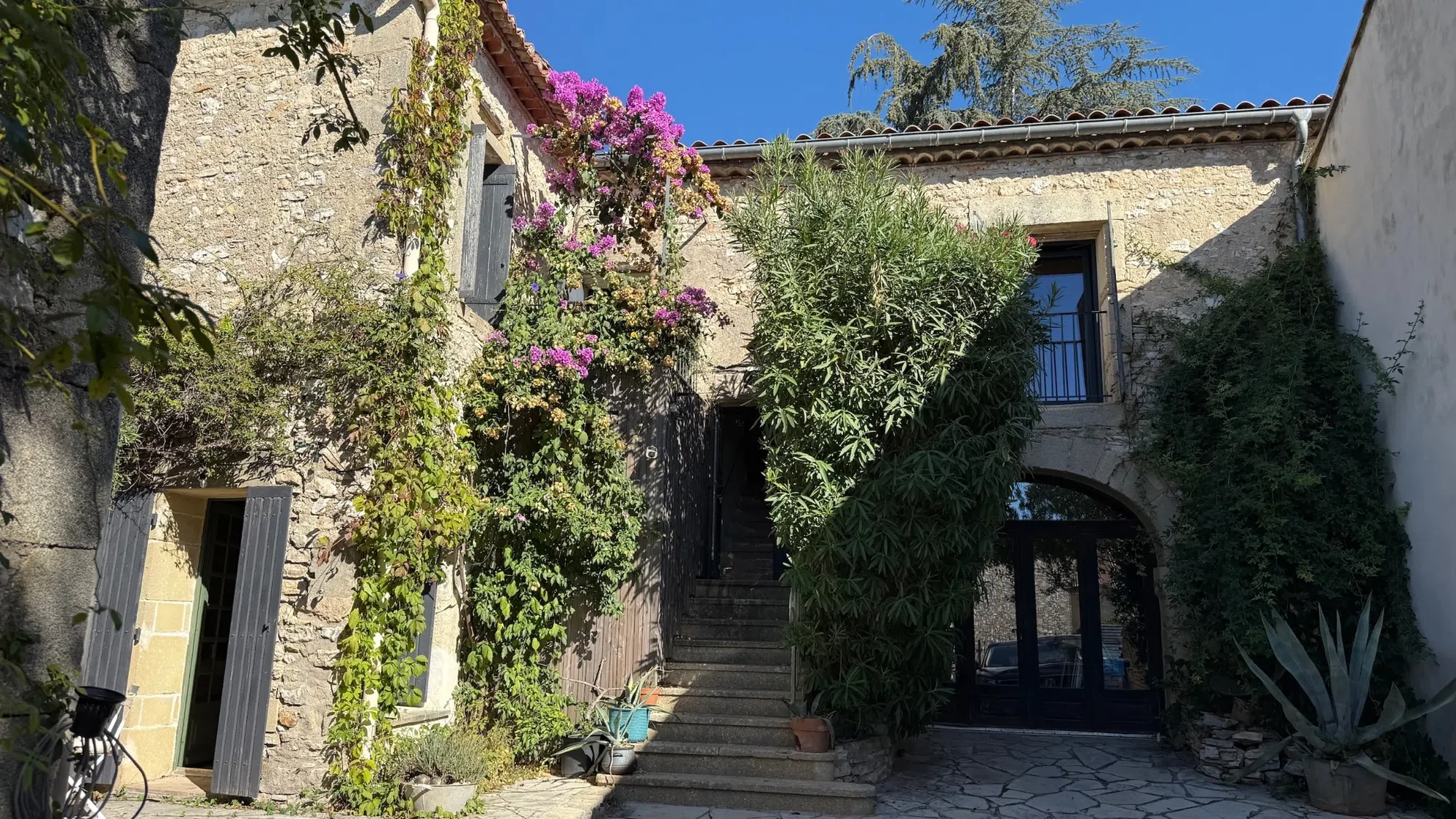
Our mas is more than two hundred years old: stone walls, old beams, linen, vintage furniture, fireplaces and a saltwater pool. It is not a set styled to look French, but the house in which we actually live.
We welcome no more than six guests at a time. That keeps the experience personal and gives us the freedom to change the rhythm, linger where something captures our interest or leave out what does not feel right that day.
After a few days, the house becomes your point of return. You know where to take your morning coffee, which wine to open in the evening and who will pick up yesterday's conversation with you.
Rooms
Open any room to browse the photographs and see the details.
Patio
2 guests · private entrance
On the ground floor. A private entrance, private bathroom and a terrace with a white wrought-iron table under the olive tree.
Province
2 guests · private bathroom
Double bed. Toilet, shower and bath. Direct access to the terrace and pool.
Children’s room
An additional room with four beds for children.
The house, in detail
About us
Natacha and Slava
Natacha
An eye for beauty, antiques and atmosphere
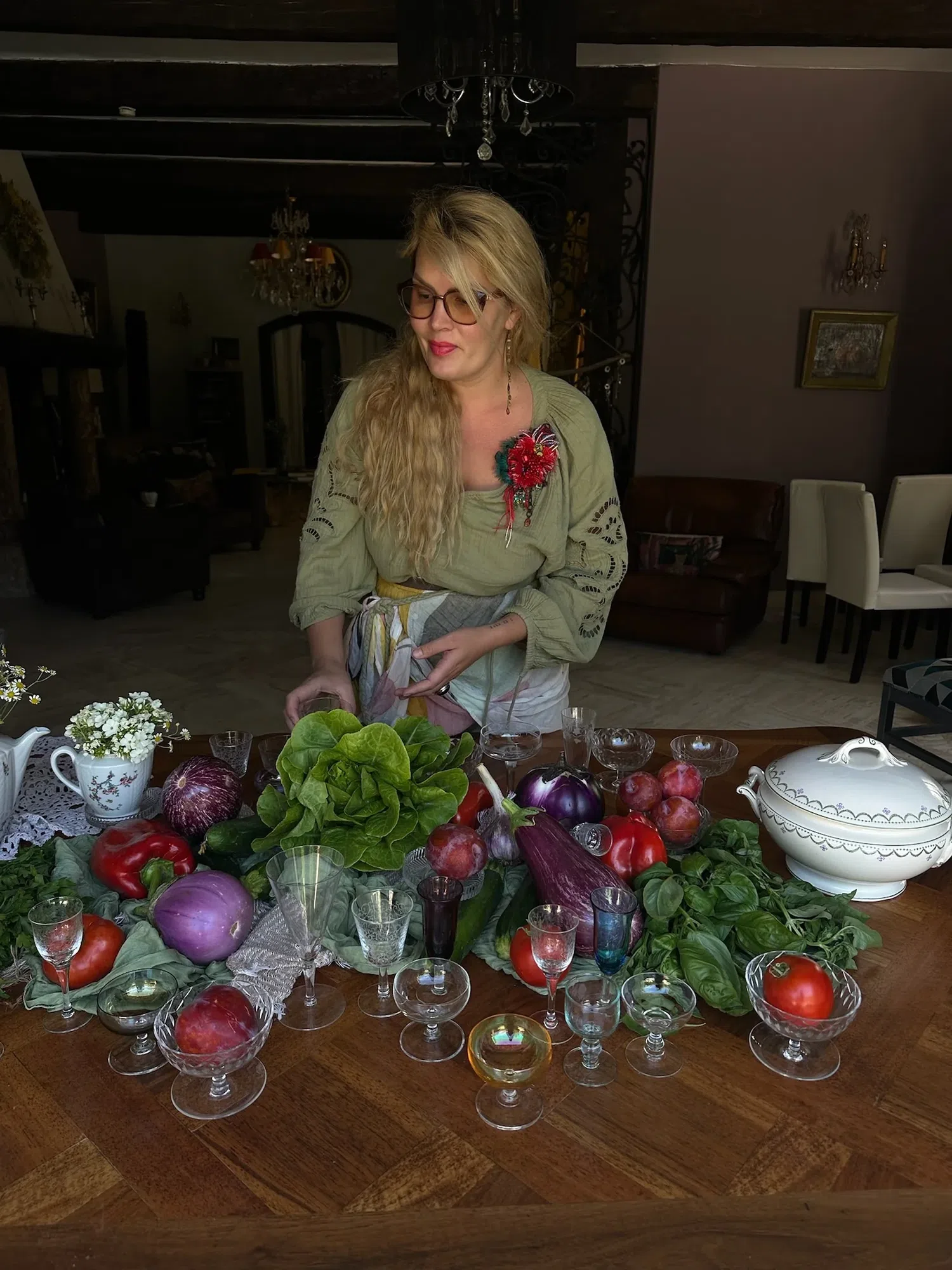
An art historian with more than twenty years of experience in decoration and antiques, Natacha searches the brocantes every Saturday. She shows you where to look, how to recognise the age and character of an object, and which one of forty brooches is truly worth taking home. While Slava cooks, she sets the table and creates the atmosphere around it.
Slava
Good food, good wine and the art of hospitality
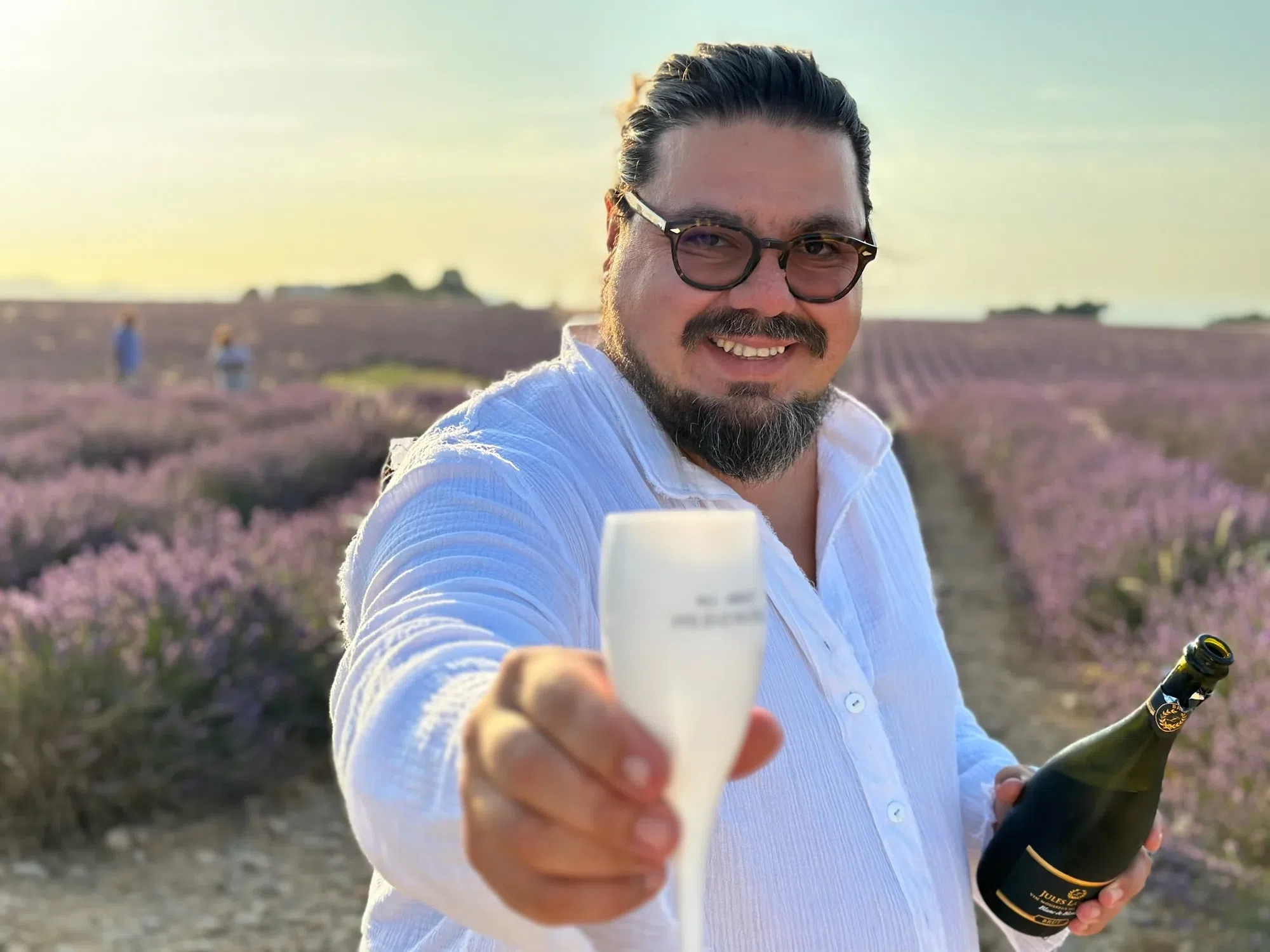
Slava spent fifteen years in construction before moving into restaurants, where he discovered that a house and a dinner are made in much the same way: with precision and care for details that guests may not notice, but always feel. Today, life means a mas in the South of France, a pool, the vineyards of Corbières and the guests for whom he cooks. Epicurus would have chosen friends, a garden and simple food; Bacchus would have added wine. Slava agrees with both.


